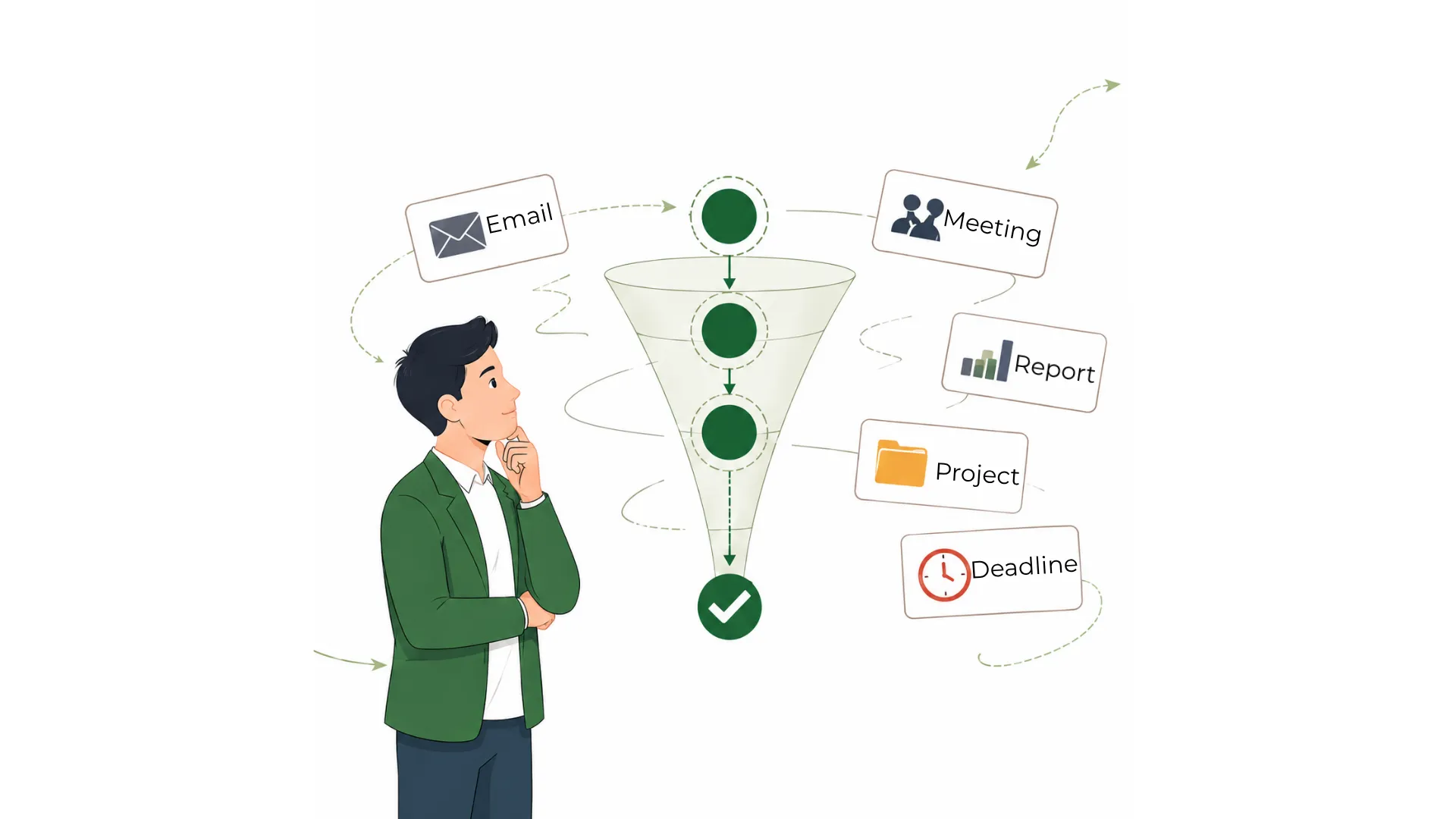


Four must-know account management best practices include:
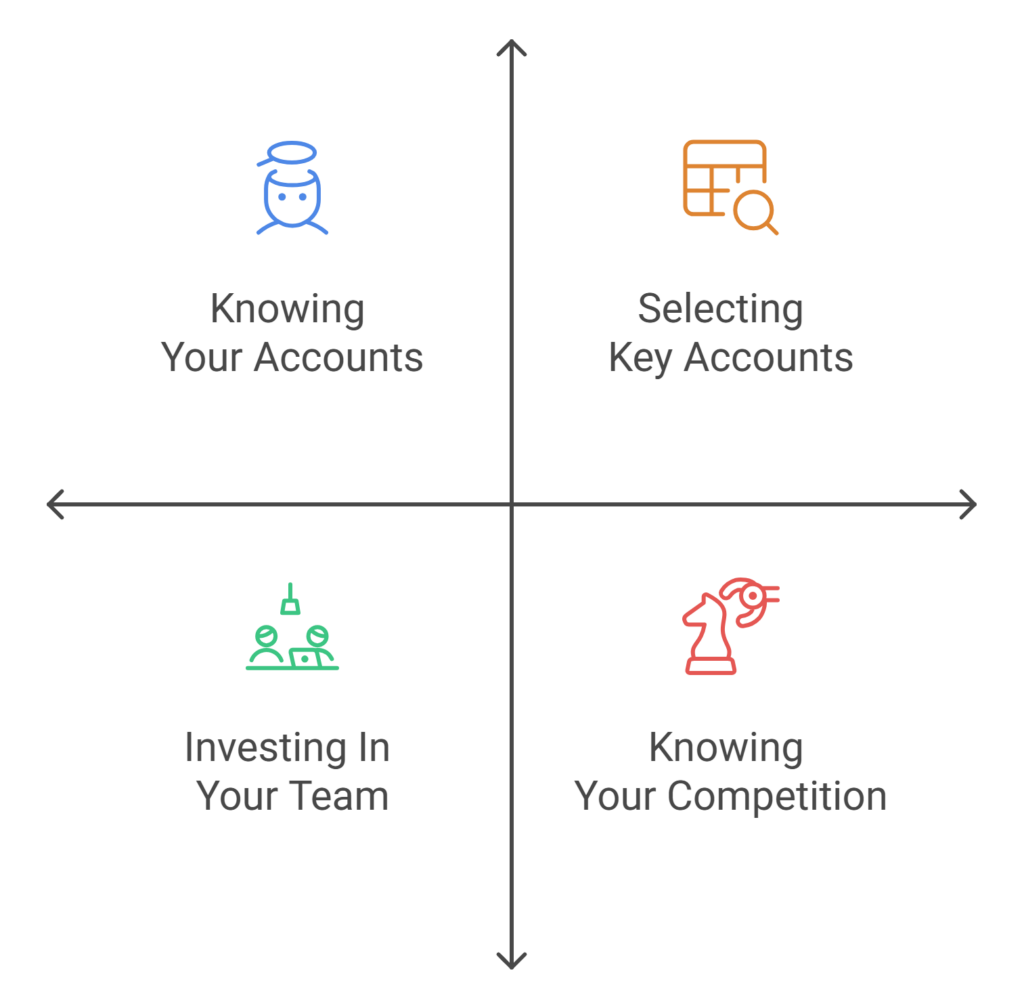
- Knowing your accounts
- Selecting key accounts wisely
- Investing in your team
- Knowing your competition
1. Know Your Accounts
To effectively prioritize, you must understand every customer “inside and out.” This goes beyond basic data to encompass the human and structural elements of their business.
- Multilevel Stakeholder Mapping: Focus on knowing every important stakeholder. A single point of contact is a risk; if that person leaves, the relationship may collapse.
- Relationship Stability: Proactively build connections across the client’s organization to strengthen ties and guard against future instability.
- Tools for Connection: Use LinkedIn for initial outreach, but invest in specialized account management tools to streamline and professionalize the process.
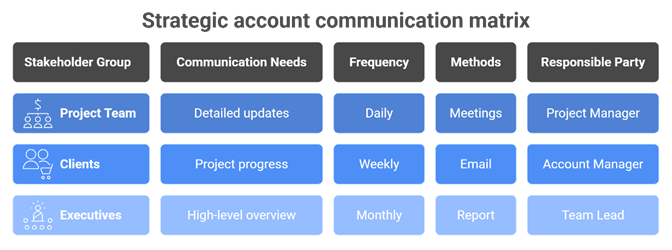
- The Communication Matrix: Track every meeting between your team and client stakeholders. This Strategic Account Communication Matrix provides visibility, signaling when it is time to increase engagement.
2. Select Key Accounts Wisely
Strategic management requires considerable assets. You must be selective to ensure your resources are not wasted on non-key clients.
- Stringent Criteria: Develop strict standards for what constitutes a “Key Account.” This core strategy should be vetted and approved at the highest levels of leadership.
- Periodic Validation: Metrics are not static. Schedule quarterly or annual recurring meetings to review your criteria and ensure they remain valid in a changing market.
- The “Near-Miss” Pipeline: Keep a close watch on accounts that nearly qualify. Allocating resources to these promising prospects now can help you capture future growth opportunities early.
3. Invest in Your Team
Investing in a team means building trust and providing the high-level tools necessary for them to perform at their peak.
- Tools as a Force Multiplier: Correct criteria for account selection can only be determined through robust account management tools. The right technology makes a Key Account Manager (KAM) exponentially more effective.
- Collaboration & CRM: A robust CRM is the baseline for communication. However, execution requires constant collaboration.
- Continuous Feedback: Regularly consult with your KAMs to ensure they have the specific resources needed to execute the strategic plan effectively.
4. Know Your Competition
Strategic tools provide their greatest value during competitive analysis, helping you decide where to play and how to win.
- Comparative Analysis: Evaluate your strengths and weaknesses relative to competitors. This analysis dictates which customers are worth the investment.
- Market Share vs. Customer Spend: Use tools to compare how much a customer spends with you against their total market share.
- Strategic Pivoting: These insights allow you to make data-driven decisions on whether to pivot your strategy or “double down” on your current path.
Successful Key Account Management is the art of selecting the right partners, building multi-level relationships, empowering your team with tools, and staying one step ahead of the competition.
Source: Mindmanager