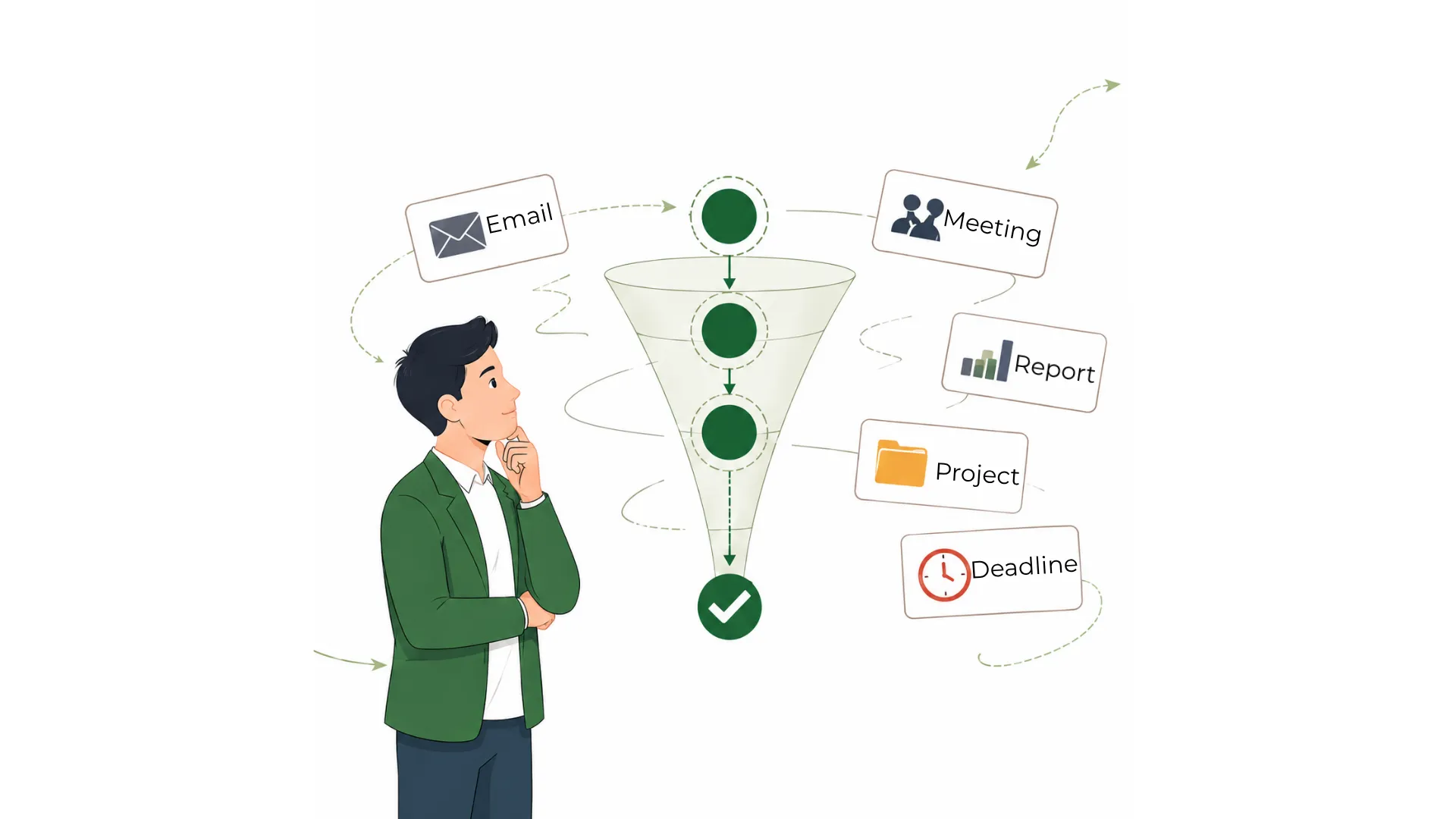


The transition from a relaxed vacation pace back to work routines can feel abrupt. However, with strategic planning and the right engagement techniques, you and your team can transition smoothly while maintaining motivation.
THE POST-VACATION WORK SLUMP
After vacations or holiday breaks, many employees face a psychological dip known as the “post-vacation blues.” Research highlights that employee satisfaction and engagement are key drivers of performance and retention. Engaged employees are more likely to contribute positively to workplace culture and efficiency, ultimately benefiting the organization.
Studies show that employees who are satisfied with their job are:
- More likely to stay with the company long-term.
- More empowered to solve challenges effectively.
- More likely to recommend the company as a good place to work.
Re-engaging your team after a break is therefore not just about motivation; it’s a strategic move that improves overall business outcomes.
Step 1: EASE BACK & BOOST FOCUS POST-VACATION
Set Realistic Goals
Returning to work after a long break can feel overwhelming, especially when faced with a backlog of emails and projects. Experts suggest setting small, achievable goals to regain momentum. Instead of tackling everything at once, create a priority list and focus on completing one task at a time. Encourage employees to:
- Break down large tasks into manageable steps.
- Use time-blocking techniques to maintain focus.
- Celebrate small wins to build momentum.
Avoid Overloading the First Week
It’s tempting to dive straight into a heavy schedule to “catch up,” but this can lead to burnout. Allow yourself and your team to ease back into the workload by gradually increasing the complexity and volume of tasks during the first week.
Step 2: RECONNECT WITH THE TEAM
Host a Team Reconnection Meeting
Creating a sense of community in the workplace is crucial. Organize a team meeting to welcome everyone back, share updates, and provide a platform for employees to voice any concerns. Make the meeting engaging by:
- Starting with an icebreaker.
- Encouraging open dialogue about challenges and successes.
- Setting the tone for a positive and supportive work environment.
Organize a Fun Post-Vacation Event
Boost morale with a team-building activity. This can be as simple as a team lunch, a trivia game, or an informal social hour. Providing opportunities for employees to reconnect in a relaxed setting helps rebuild camaraderie and eases the transition back to work.
Step 3: FOCUS ON MENTAL AND EMOTIONAL WELL-BEING
Encourage Mindfulness Micro-Breaks
Maintaining productivity isn’t about working harder, but working smarter. Encourage employees to take short breaks throughout the day to reset and avoid fatigue. Suggested breaks include:
- A five-minute walk.
- Deep breathing exercises.
Provide Stress Management Resources
Returning to a busy workload can be stressful. Offering resources such as Employee Assistance Programs (EAPs) or stress management workshops can help employees navigate workplace challenges more effectively.
Step 4: RE-ESTABLISH WORK-LIFE BALANCE
Set Boundaries
The surge in workload after a break can make people want to stay late or answer emails after hours. Encourage employees to set boundaries by:
- Defining clear “log-off” times.
- Disabling notifications after hours.
- Prioritizing personal time to recharge.
Promote Flexible Schedules (If Possible)
Where operationally feasible, offer flexible scheduling options to help employees regain their balance. For example, allow employees to adjust start and end times or offer work-from-home options for a limited period following the vacation.
Step 5: REIGNITE MOTIVATION AND PURPOSE
Connect Work to a Larger Purpose
Research shows that employees who feel connected to the company’s mission are more engaged and motivated. Take the time to remind employees how their work directly impacts the company’s success. Ways to reinforce purpose include:
- Sharing success stories.
- Highlighting performance metrics.
- Providing regular positive feedback.
Offer Professional Development Opportunities
Engaged employees are more likely to stay when they see a clear career path. Provide opportunities for growth, such as:
- Cross-training in different departments.
- Leadership development programs.
- One-on-one coaching sessions.
Step 6: ENCOURAGE PEER SUPPORT AND RECOGNITION
Create a Peer Recognition Program
Encourage employees to recognize each other’s hard work. Peer recognition boosts morale and fosters a sense of belonging. Recognition can be as simple as:
- A “shout-out” board.
- Monthly recognition awards.
- Informal thank-you messages.
Promote Team Accountability
Encourage teams to set collective goals and hold each other accountable. Working toward shared milestones creates a stronger team dynamic and increases motivation.
Step 7: MONITOR AND ADJUST ENGAGEMENT STRATEGIES
Track Engagement and Performance
Use employee feedback surveys and performance data to identify engagement patterns. Are employees feeling overwhelmed or disconnected? Adjust your strategies based on the insights gathered.
Maintain a Feedback Loop
Create an ongoing dialogue with employees through:
- Monthly one-on-ones with supervisors.
- Open office hours with management.
- Anonymous suggestion boxes.
BUILD A SUSTAINABLE ENGAGEMENT STRATEGY
Returning to work after a vacation doesn’t have to be a struggle. By easing back into the work routine, reconnecting with your team, prioritizing mental health, and offering career development opportunities, you can create a work environment where employees feel valued, motivated, and supported. Remember, engaged employees lead to a more productive and positive workplace, benefiting both individuals and the organization as a whole.
Source: Abel Personnel