
Strategies for Sustainable Success
As today’s skill shift accelerates and automation and artificial intelligence dramatically change the nature of work, employees must fine tune the social and emotional abilities machines cannot master. This article integrates key principles for developing these vital skills within the pressures of a busy workplace.
1. Core Soft Skills to Focus On
Soft skills, defined as non-technical skills that enable someone to interact effectively and harmoniously with others, are vital to organizations. Key categories include:
- Advanced communication and negotiation skills: Clearly presenting ideas, active listening, and persuasion.
- Interpersonal skills and empathy: Building harmonious working relationships and impacting culture and attitudes.
- Leadership and management skills: Taking initiative and providing direction to teams.
- Adaptability and continuous learning skills: Remaining flexible in the face of technological and procedural changes.
2. How Organizations Can Facilitate Reskilling
Reskilling at scale requires moving beyond simple training videos. Organizations and individuals should adopt the following:
- Assessment: HR departments must be equipped with a framework that codifies soft skills and defines evaluation criteria to help workers understand their strengths and development needs.
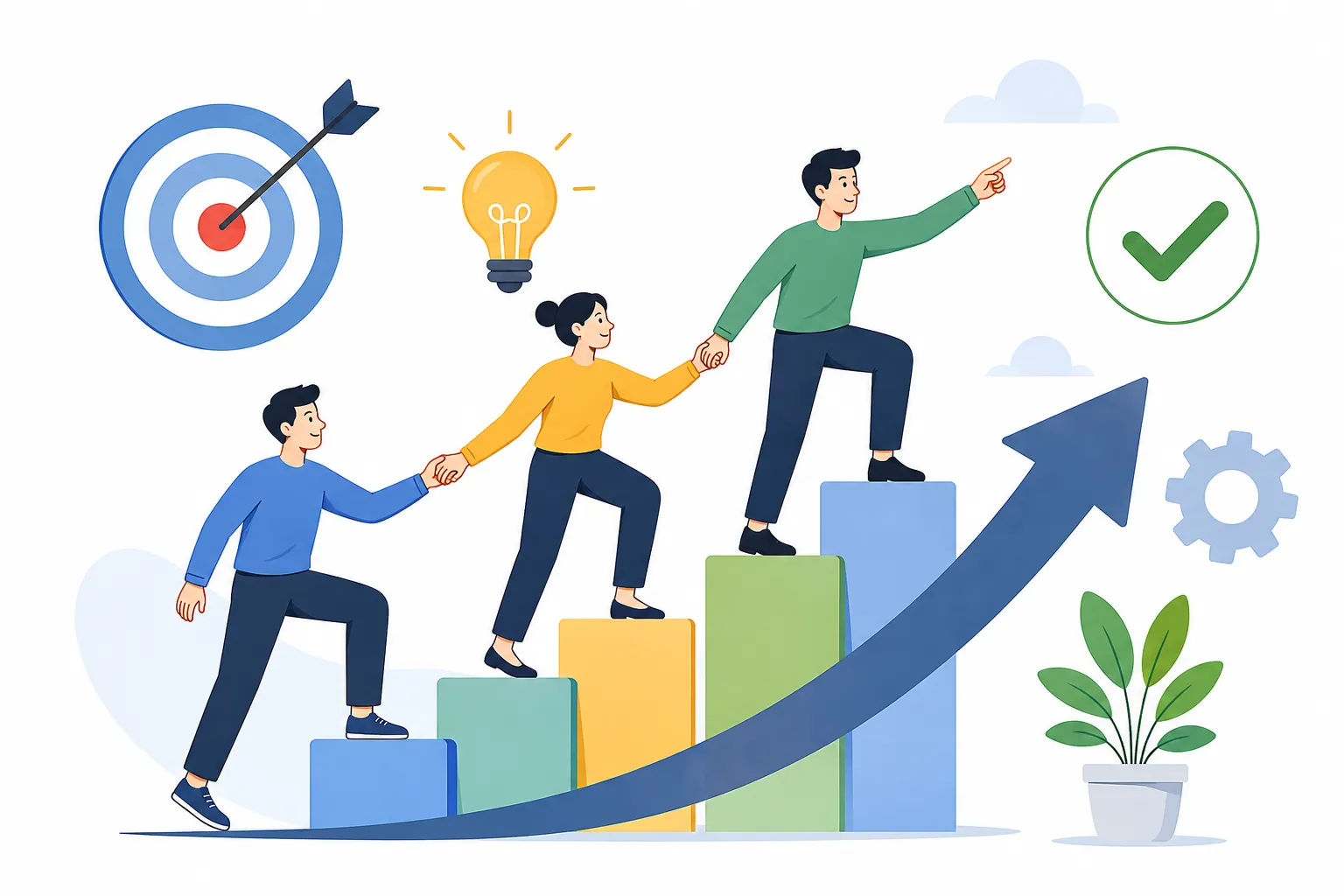
- Blended learning journeys: Mixing traditional learning (digital courses, training) with nontraditional methods, such as peer coaching or real-world situational immersion.
- Incentives and rewards: People operate based on incentives. Using systems like digital badges provides public recognition and encourages employees to continue their learning journey.
3. Principles for Protecting Cognitive Capacity
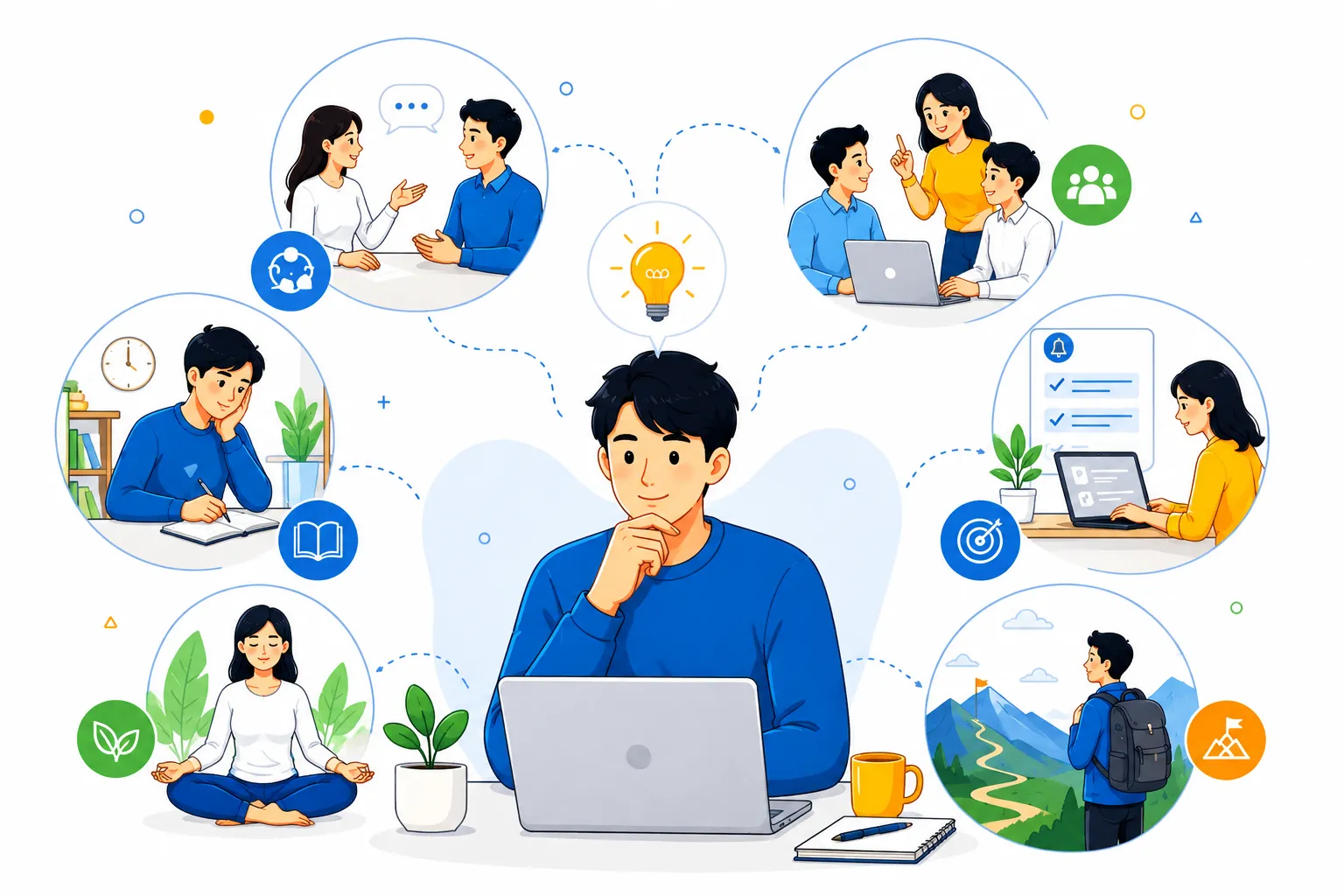
In high-pressure environments, employees often face “cognitive load.” To enhance capabilities sustainably, follow these five principles:
1. Calibrate cognitive load
Do not spend all your time on continuous high-pressure tasks. Redesign your schedule to alternate between deep-thinking tasks (analysis, dispute resolution) and lighter tasks, allowing the brain time to recover.
2. Protect cognitive capacity
Cognitive ability is eroded by prolonged pressure. “Subtract before adding”: aggressively eliminate unnecessary meetings and cumbersome processes. Ensure adequate sleep and recovery, as decision-making depends on nervous system restoration.
3. Enable focus
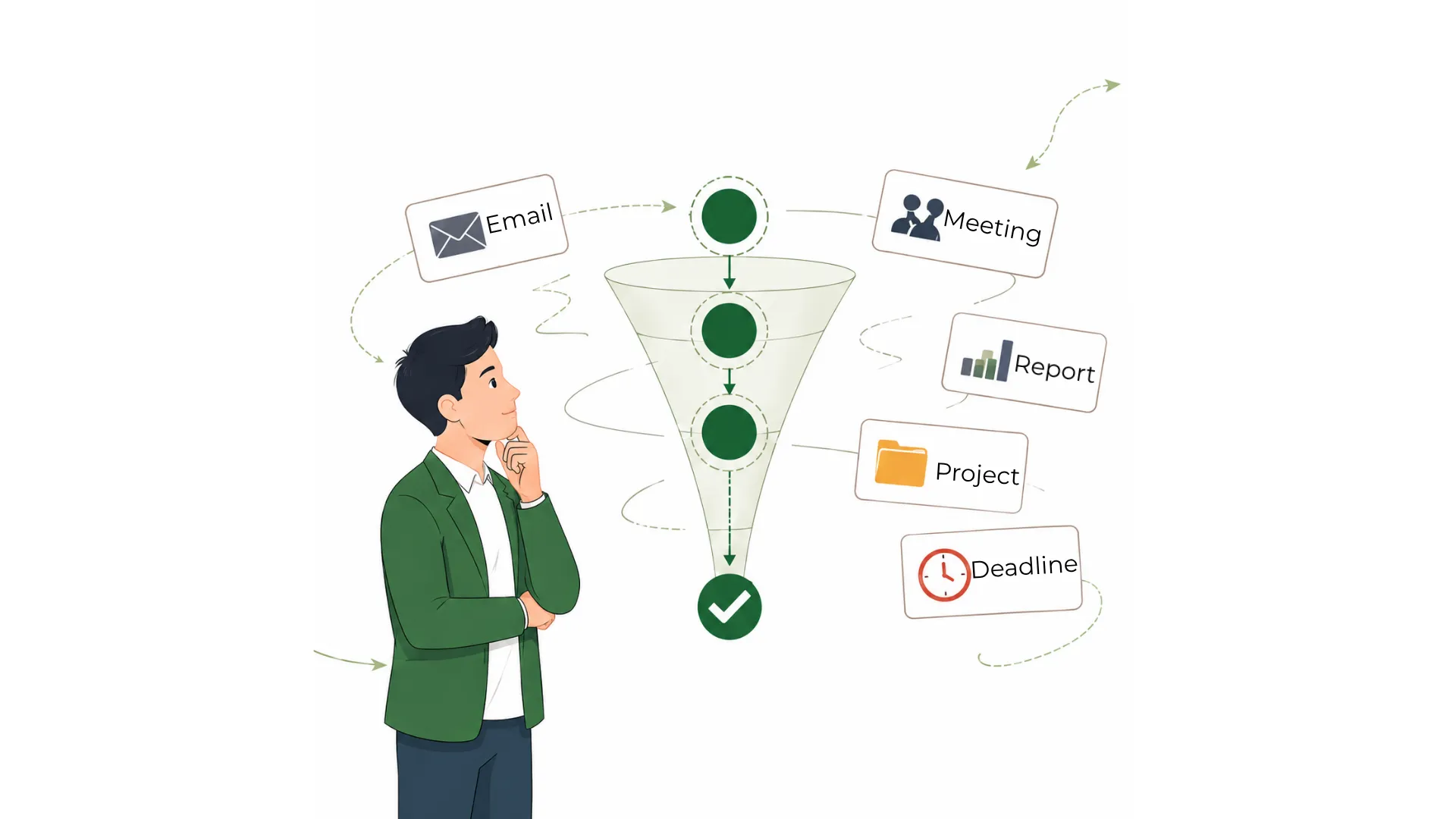
Constant context switching wastes cognitive energy. Apply “Deep Work” by batching notifications and dedicating fixed, uninterrupted blocks of time to process critical work or evaluate the output of support tools like AI.
4. Build adaptive brain skills
Even when using tools or AI to accelerate work, do not fully offload independent thinking. Dedicate time to practice skills that machines cannot master, such as critical thinking, emotional management, and complex problem-solving through real-world experience.
5. Drive brain-positive environment
Proactively foster psychological safety for yourself and colleagues. View new technologies as “thinking partners” rather than threats, and build healthy working habits to maintain sustainable performance rather than burnout.
Source: Mckinsey