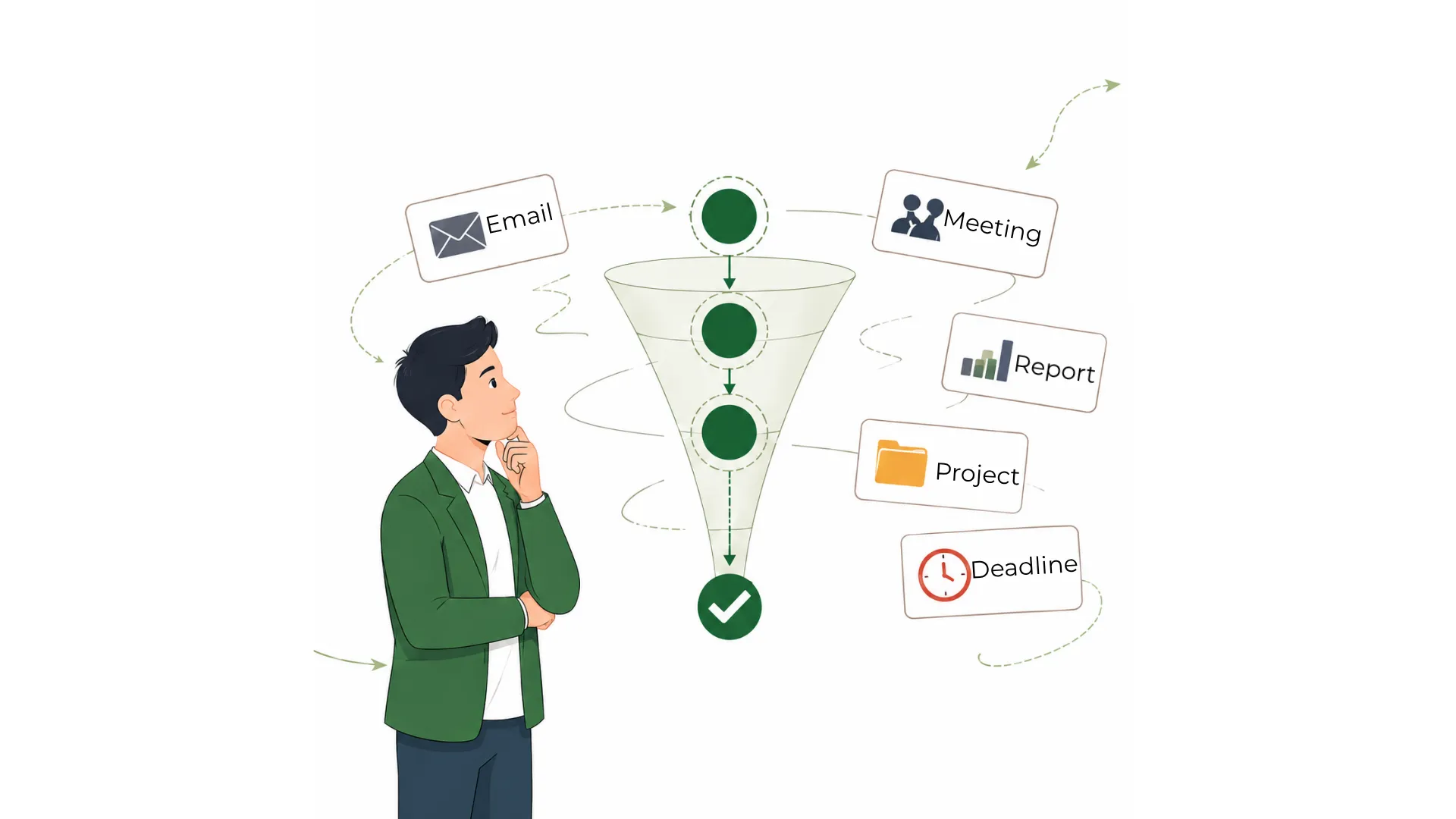


Employee engagement is more than a metric in human resources reports. It is the result of what employees experience every day at work — from how leaders communicate and whether employees feel heard, to opportunities for development and whether they have sufficient resources to perform their work.
According to Gallup’s latest research at midyear 2025, only 32% of U.S. employees are engaged at work. At the same time, 51% are actively looking or keeping an eye out for job openings elsewhere.
These figures point to an important issue: when engagement declines, organizations need to look beyond employee motivation and examine the factors within the workplace that are affecting employee engagement.
Engagement Is Declining
Gallup measures employee engagement through 12 scientifically validated items, focusing on the core experiences employees have at work.
Engagement reached 36% in early 2020 before declining. In 2024, engagement fell to 30% — an 11-year low. In Q2 2025, engagement increased slightly to 32%, but the trend for the first half of the year remained relatively flat.
Gallup’s Q2 2025 data show:
- 47% of employees know what is expected of them at work.
- 31% say someone at work encourages their development.
- 32% feel connected to their organization’s mission or purpose.
- Only 28% feel that their opinions count at work.
- 51% are actively looking or keeping an eye out for job openings elsewhere.
Gallup estimates that disengagement in the U.S. may represent approximately $2 trillion in lost productivity.
Four Themes
1. Organizational Culture
According to Gallup, 32% of senior leaders identify organizational culture as one of the main factors affecting engagement.
The gap is particularly evident among certain groups of employees: 44% of Gen Z workers and 41% of remote employees are reported to experience a lack of connection to the organization.
When employees do not feel that they belong to the organization, the connection between their daily work and the organization’s broader purpose can also become weaker.
2. Leadership Transparency
29% of senior leaders identify a lack of leadership transparency as a factor affecting engagement.
Employees need to understand not only what the organization is doing, but also why decisions and changes are being made.
Gallup emphasizes the importance of transparent communication and creating opportunities for employees to have a voice. When employees understand the organization’s direction and have opportunities for two-way communication with leaders, trust has a stronger foundation.
3. Resource Investment
25% of senior leaders point to insufficient investment in people, tools, staffing or compensation.
Employee engagement is difficult to sustain when employees are expected to deliver strong results without having sufficient resources to perform their work.
Organizations therefore need to consider whether employees have the tools, staffing and working conditions necessary to perform their roles effectively.
4. Performance Management
14% of senior leaders point to challenges in performance management, including a lack of feedback, recognition and development opportunities.
Gallup notes that performance reviews once or twice a year cannot replace regular conversations.
Employees need specific feedback, recognition and opportunities for development throughout their work, rather than being evaluated only at the end of a performance cycle.
Daily Experiences
These findings show that engagement is not simply a metric measured through a survey. It is shaped by the experiences employees have in their daily work.
Leaders can start by looking at several questions:
- Do employees understand what is expected of them?
- Do they feel that they are heard?
- Do they receive feedback and opportunities for development?
- Do they have sufficient resources to perform their work?
- Do they understand and believe in the organization’s direction?
When employees understand where the organization is headed and their role in that direction, they have a clearer basis for connecting their work with the organization’s broader purpose.
Employee engagement should not be viewed simply as a number in a report.
Behind that number are specific factors in how the organization operates: organizational culture, leadership transparency, resources and performance management.
A survey can show where engagement currently stands. But to improve engagement, organizations need to understand which employee experiences are contributing to that result.
Ultimately, the question is not only:
“What is the current level of employee engagement?”
It is also:
“What kind of experiences is the organization creating to help employees connect with their work and the organization’s broader purpose?”
Employee engagement is shaped by daily experiences. Therefore, improving engagement also begins with how leadership, culture and work are managed every day.
Source: Gallup, Anemic Employee Engagement Points to Leadership Challenges, August 5, 2025.